Showing posts with label women. Show all posts

Friday, December 19, 2025

Balkans contre Maghreb - statut des femmes et des personnes LGBTQ+

 J'adore faire du shopping avec mon amie serbe Slavica. Nous sommes nées dans le même pays – l'ancienne Yougoslavie – mais nous sommes maintenant originaires de deux pays, elle de Bosnie et moi de Croatie. Nous aimons toutes les deux regarder les dernières cris de la mode. Un des articles actuellement populaires – le pantalon dit "ballon" – ne trouvera pas sa place dans nos garde-robes. Pourquoi? Nous avons immédiatement associé ce pantalon ample, aux jambes larges et resserrées autour de les chevilles, aux dimije, un vêtement porté par les femmes musulmanes dans les zones rurales de Bosnie. Slavica en a vu plus que moi en Bosnie, mais les femmes portant des dimije colorées, et des chemises à manches longues avec une courte veste sans manches appelée yelek, étaient souvent vues dans des villes en Croatie, où elles venaient vendre leurs marchandises et faire leurs achats. Mais on a appris des dimije principalement grâce aux spectacles de danses folkloriques fréquemment organisés et diffusés à la télévision.

Danseuses de folkloriques yougoslaves vêtues de costumes traditionnels de Bosnie

En Yougoslavie communiste, le gouvernement et les organisations culturelles promouvaient activement la diversité culturelle du pays et le principe de "bratstvo i jedinstvo” (fraternité et unité). La Bosnie et le Kosovo (qui faisaient alors partie de la République de Serbie) abritaient les plus grandes communautés musulmanes, tandis que dans d'autres régions, les musulmans étaient minoritaires et avaient tendance à s'intégrer à la population locale. Dans des villes comme Zagreb et Belgrade, les musulmans étaient généralement aisés et bien éduqués. Beaucoup d’eux étaient aussi riches que les hommes au pouvoir, car ils géraient des petites entreprises et des ateliers d'artisanat florissants, tandis que la population générale vivait avec des salaires modestes.

L'expression populaire qui tournait en dérision la prétendue égalité était : “Certains sont plus égaux que d’autres." Mais bonne éducation était accessible à tous, et j'ai réalisé plus tard que la notre était bien meilleure que dans de nombreux pays occidentaux. Le problème était qu'après avoir terminé les études, il était impossible de trouver un emploi sans avoir des relations avec des personnes influentes. C'est pourquoi de nombreux jeunes gens brillants et diplômés sont partis travailler en Allemagne et dans d'autres pays occidentaux.

Un changement apporté par le communisme en Yougoslavie comme au Maghreb, fut l'évolution du rôle des femmes. Pendant la Seconde Guerre mondiale, de nombreuses femmes en Yougoslavie se sont jointes à la résistance partisane contre l'invasion allemande et le fascisme. Uniformées et armées, elles se sont battus côte à côte avec les hommes, partageant tout sur un pied d'égalité, y compris les logements. Après la guerre, le pays ravagé avait besoin de reconstruction et, faute de moyens financiers, le parti communiste a fait appel aux jeunes pour participer à des “actions de travail” volontaire. L'hébergement sous tente et soins un ciel clair a rapproché jeunes hommes et jeunes femmes, et si le travail par jour était contrôlé, la vie nocturne ne l'était pas. La révolution sexuelle qui s’est propagé sur le monde occidental dans les années 60 était déjà bien installée dans les grandes villes de Yougoslavie. Cela a crée un fossé entre les parents, attachés aux valeurs morales d'avant-guerre, et leurs enfants nés après la guerre. Ma mère a grandi dans une petite ville où une jeune fille ne pouvait pas être vue dans la rue après 20h sans être accompagnée d'un parent. J'étais une jeune fille d’époque où ma génération sortait dans les cafés et les discothèques à 20h. Pour moi, être isolée à la maison pendant que mes amies s'amusaient dehors était traumatisant et j'ai commencé à me rebeller. Les disputes avec ma mère se sont transformées en une guerre de haine et de ressentiment. J'ai quitté la maison dès que j'ai trouvé un emploi qui me permettait de couvrir mes besoins, avant même d'obtenir mon diplôme universitaire.


Femmes partisanes de Yougoslavie pendant la Seconde Guerre mondiale

La sexualité était rarement discutée à la maison, mais quelques notions de base étaient enseignées en cours de biologie au lycée. Lorsque les premiers tampons sont apparus, mes meilleures amies et moi – les influenceuses de l'époque – avons été parmi les premières à adopter cette innovation pratique, mais nous n'avions aucune idée de comment les utiliser. Nous avons finalement trouvé la solution lors d'une réunion chez l'une d'entre nous, devant un grand miroir.  Dans des villes comme Zagreb et Belgrade, les filles commençaient à avoir des relations sexuelles avant de se marier. Au lycée, on s'attendait à ce que les filles qui avaient un petit ami soient sexuellement actives. L'arrivée de la pilule contraceptive a grandement facilité les choses. En cas de problème, l'avortement était gratuit et accessible. Même si le consentement parental était théoriquement requis, il était toujours possible de l’éviter parce que personne ne voulait abandonner la jeune fille en difficulté. Au Maghreb, les revolutions et mouvements contre colonialisme n’ont pas apporté les mêmes libertés sexuelles. Comme on a vu dan le film tunisien La belle et la meute, un couple non marié risquait d’être ârrêté s’il était trouvé seul le soir. 

En Yougoslavie, la liberté de religion était garantie, mais les églises étaient généralement vides et les mosquées et les synagogues étaient considérées comme des monuments historiques plutôt que comme des lieux de culte. Les jeunes ne croyaient ni au communisme ni à la religion. Outre l'éducation gratuite, l'absence d'influence religieuse contribuait à maintenir une certaine unité parmi les jeunes. Chacun pouvait fréquenter qui on voulait s'il tombait amoureux. Mais si, à l'époque, il me semblait qu'il n'y avait aucune restriction quant au choix du partenaire, j'ai réalisé bien des années plus tard que de nombreuses belles histoires d'amour que je connaissais se terminaient par le mariage de l'homme avec une femme de sa propre origine ethnique et religieuse. Autre phénomène: les jeunes hommes qui aimaient les filles à la mode et libres retournaient souvent dans leur village natal pour épouser une jeune femme dont la virginité était garantie. La différence entre la culture rurale et la culture urbaine était encore très marquée à cette époque. Il me semble qu’au Maghreb il y avait aussi une difference même si c'était contraire: les femmes en ville portait le voile en dehors, mais pas les femmes en milieu rural. 

Le conflit sanglant de 1995 dans les Balkans a choqué le monde entier, y compris moi-même, mais seulement parce que nous avions ignoré les signes avant-coureurs. Par example: au milieu des années 70, j’ai sorti avec un ami qui à la fin du rendez-vous m’a dit qu'il ne serait pas heureux tant que les Croates n'auraient pas besoin d'un passeport pour voyager en Serbie. Je le trouvais complètement fou car je ne savais pas qu'il n'était pas un cas exceptionnel. La désintégration de la Yougoslavie 20 ans plus tard a conduit à un conflit sauvage, particulièrement violent en Bosnie où la population était la plus diverse. Comme le monde a appris, les forces paramilitaires serbes de Bosnie ont massacré des milliers d'hommes musulmans, mais ce qui est peut-être moins connu, c'est que les Serbes en Bosnie ont mis en place des camps de viol. Des femmes non-serbe y étaient retenues prisonnières pour servir les insurgés armés. Elles ne leur donnait aucune protection contraceptive, car il y avait des Serbes qui souhaitaient accroître leur population en Bosnie. La plupart des femmes violées étaient musulmanes, mais leur nationalité importait peu car, selon certaines traditions balkaniques, l'enfant prend la nationalité du père. La femme serve seulement comme un réceptacle pour porter le foetus. Les femmes révolutionnaires au Maghreb ont été emprisonnées et torturées dans des décennies plus tôt mais pas pour leur appartenance ethnique et pas en si grand nombre. Les activistes comme algérienne Djamila Boupacha et marocaine Fatna El Bouih sont été soumis a la torture et viol pour leurs activités contre les autorités, considérées comme masculines.

Dans la Croatie, nouvellement indépendante depuis 1992, l'influence religieuse a apporté un certain recul pour les femmes. Ce revers a été relativement bref, car les femmes croates se sont levées et quand le pays a entré dans l'Union européenne en 2013, la Croatie a dû se conformer aux normes européennes. Cependant, un changement a eu lieu dans les domaines sociaux et familials. L'avortement qui était presque une forme de contraception dans ma jeunesse, est aujourd’hui mal vu. La promiscuité sexuelle et l'infidélité conjugale, si courantes et ouverts pendant ma jeunesse, sont aujourd'hui beaucoup moins visibles.  

Mais, alors qu'autrefois les femmes victimes de viols et de violences conjugal avaient peu ou pas de protection, car elles étaient stigmatisées si elles osaient parler, il existe désormais des associations qui offrent un refuge aux femmes victimes de violences et les encouragent à témoigner. Si les autorités croates ne parviennent pas à protéger les victimes, celles-ci peuvent saisir les instances européennes, même si peu de victimes ont la volonté et les ressources nécessaires pour le faire. Les personnes LGBTQ+ bénéficient également du soutien d'organisations dédiées. Dans des villes comme Zagreb, encore relativement petites avec une population de moins d'un million d'habitants, les personnes LGBTQ+, qui cachaient auparavant leur orientation sexuelle et menaient parfois une vie hétérosexuelle par crainte de l'ostracisme familial ou social, sont désormais plus ouvertes. Cependant, les opérations de changement de sexe sont fortement condamnées par l'Église et, par conséquence, par la société.

Il semblerait que, comparée au Maghreb, la Croatie aujourd’hui est un pays où l'égalité des droits humains est respectée et où les femmes bénéficient d'une meilleure protection. L'égalité des genres, promue depuis l'ère communiste a permis aux femmes à devenir scientifiques, universitaires, artistes de renom et politiciennes. La Croatie a eu sa première femme présidente, Kolinda Grabar-Kitarović (2015-2020). L’ancienne première ministre serbe et actuelle présidente de l'Assemblée nationale, Ana Brnabić, est ouvertement lesbienne, ce qui était impensable il y a encore quelques décennies. 

Pourtant les véritables moteurs du progrès en matière de droits des femmes dans les anciennes républiques yougoslaves sont les femmes journalistes et écrivaines, pas les politiciennes. Même sous le communisme, les femmes journalistes figuraient parmi les critiques les plus virulentes du gouvernement et des problèmes de société. Le nombre croissant de femmes journalistes ces dernières décennies s'est concentré sur les questions féminines, notamment les violences conjugales et le rôle des femmes dans la société. La sexualité et la nudité – masculine et féminine – étaient déjà courantes dans les médias et au cinéma depuis les années 1960, contrairement au Maghreb.
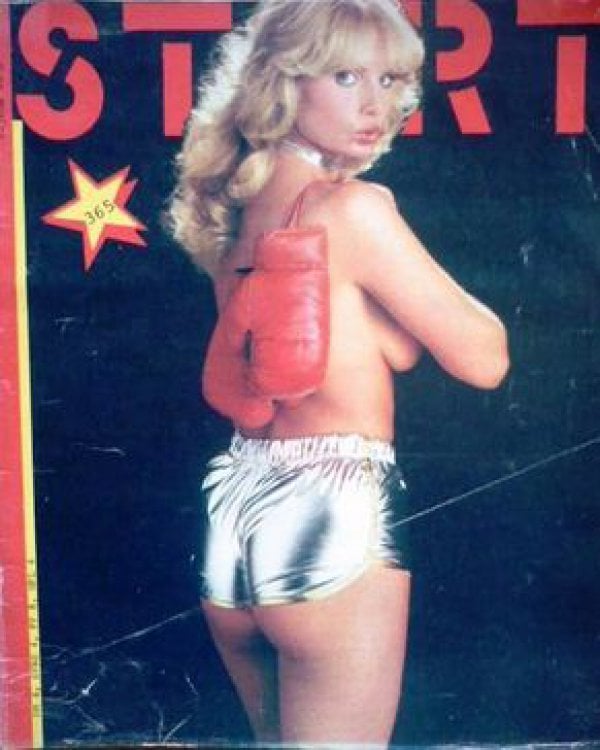
start9
La couverture de l'ancien magazine yougoslave Start

Les partis de gauche au Maghreb, comme les communistes en Yougoslavie, avaient promu les droits des femmes car ils avaient besoin de leurs soutien pendant les mouvements révolutionnaires. Après la victoire, les femmes du Maghreb ont souvent perdu des libertés acquises pendant les batailles.  En Croatie, la montée du nationalisme et de pouvoir de l’église dès son independence a causé un revers pour les femmes croates aussi, mais d'autres facteurs – tels que la liberté de la presse, l'égalité d'éducation pour les filles et les garçons et la proximité de l'Europe occidentale, de plus en plus laïque, ont permis aux femmes de retrouver leurs droits.

L'Algérie, le Maroc et la Tunisie ont produit des grands auteurs, intellectuels et militants qui défendent les droits des femmes et des personnes LGBTQ+. Si les féministes aujourd’hui peuvent s'exprimer plus ouvertement, comme par example Zainab Fasiki qui a publié son band dessiné sur la sexualité feminine à Casablanca, l’activisme LGBTQ+ n’est pas accepté et se déroule généralement dans la clandestinité ou dans la diaspora. L'écrivain et cinéaste marocain Abdellah Taïa a écrit sur son expérience douloureuse d'homosexuel au Maroc en France. Les relations sexuelles entre personnes de même sexe sont interdites par la loi au pays du Maghreb. Pourtant, avec la diffusion des médias numeriqués, il devient de plus en plus difficile d'empêcher la circulation de l'information. On effet, le magazine marocain TelQuel a publié en 2006 un article sur la vie de Taïa et son experience de homosexuel. Comme par tout le monde, les forces conservatrices réagissent contre progrès de ce type. Savoir comme les luttes de se genre ont réussi dans autres pays peut inspirer les activistes du Maghreb à progresser, même modestement, vers plus d’égalité.

Le progrès depends toujours du people de ces pays. Donc, les militants locaux jouent un rôle crucial dans la promotion de la presse libre, l’égalité d'education pour tous et la protection du droit d’homme de n'importe quel sexe.  Les autorités religieuses at le gouvernement doivent reconnaître que la pleine participation des femmes et de LGBTQ+ dans tous les domaines de la vie est essentielle pour le progrès d'un pays. Leur lois doivent assurer une protection pour chaqun.  Le monde doit surveiller l'application de ces lois parce que les examples du Maghreb et de l’ancient Yougoslavie démontrent que les minorités sexuelles et ethniques peuvent à tout moment perdre les droits et protections qu’ils ont acquis au prix de grads efforts.

Thursday, January 11, 2018

Carmen for the #MeToo Era

Sunday's Golden Globes awards ceremony was all about fighting against men's abuse of women. And it's not only America endeavoring to raise awareness about the widespread social problem. The Opera of Florence, Italy, on Sunday premiered a new production of Carmen in which the eponymous heroine does not get killed. Instead, she kills Don Don José with a gun that she wrests from him. Producers say they wanted to draw attention to modern-day mistreatment of women.

Some of my European friends were put off by the Golden Globes speeches and said they were all about hating men. One said when Oprah delivered her much celebrated oration, she looked like she wanted to grab a man from the audience and devour him. Privately, many people had a problem with the Hollywood event, but now we hear publicly from Catherine Deneuve  and a hundred other women that preventing men from going after women is an attack on men's freedom of expression.

Deneuve and others, mostly women in the entertainment business, said in a letter published by Le Monde Tuesday that “Rape is a crime, but persistent or clumsy flirting is not a crime, nor is gallantry a chauvinist aggression." They described #MeToo feminism as “a hatred of men and of sexuality,” and said that some men have already suffered professionally "while the only thing they did wrong was touching a knee, trying to steal a kiss, or speaking about ‘intimate’ things at a work dinner, or sending messages with sexual connotations to a woman whose feelings were not mutual." Of course, there was an immediate backlash. 


Oprah Winfrey At the Golden Globe Award Ceremony
As someone who grew up in Europe but has lived long in the United States, I can understand both sides. Used to the ubiquitous, but harmless flirting with men in Europe, I found the social atmosphere in the United States to be so sterile at first that I often wondered how Americans married and produced children. In Europe and even in Africa I would receive compliments, flowers, chocolates and admiring looks from men. But in Washington, any compliments for my hair, clothing or figure come from women. I have never been sexually harassed at work. I even found myself envious once at dinner when two women, unattractive in my opinion, discussed unwanted attention from their male colleagues in the past. Not being able to contain myself, I finally exclaimed: "Wow, this has never happened to me - I must be very undesirable!"

After a while, I learned to appreciate the independence coming from not having to thank for gifts that did nothing but boost my false sense of "femininity." But over time, little things have built up into a bigger picture that could not be ignored: men would not offer me a seat on the train when I was pregnant, but women would. At work, it was men who kept me down and women who gave me a boost up. I have been insulted, attacked and belittled by men in the United States more than I ever have been in any other country. In the street, a driver once shouted after me "you f...ing c..." because I crossed a road when my light was green, but he moved forward and almost hit me.

Back in Europe when a woman approached a group of men, their eyes sparked and some sort of bantering ensued. They seemed to genuinely enjoy female company. In the States, I find the male conversation is more likely to come to a dead stop when a woman comes along, with men raising their eyes as if asking: "OK, how can we help you?" (so you can go away and we can continue). I often used to think American men really hate women. They certainly seem uncomfortable around them unless they smile very broadly, which I never do. Then I thought, OK they are just confused, and shy people often seem unfriendly.  

But reading the accounts of women who dealt with Weinstein and other men in power, I cannot but wonder what if not hatred could make a man treat a woman in such offensive manner as has been described.  It is one thing to try to seduce a woman with nice words, flowers and champaign, it's another to show her your ugly body and ask for services you would normally ask from a paid prostitute. The ugliness is not only in the sexual context. Just look at all the things Trump has said about Hillary.  I cannot imagine a politician anywhere in the world using such vulgar language about a woman. When a Polish representative in the EU said that women were inferior to men, he was quickly removed. 

People respond to hateful acts with hatred.  By her own account, Oprah was sexually abused as a child by a series of relatives.  If during her Golden Globe speech she looked like she wanted to devour a man, she had an excellent reason. Though I don't think she hates men in general.

Women worldwide have been treated hatefully by men. Deneuve and many others may not have experienced the worst of it. They have learned how to deal with unwanted attention from men and even use it to their advantage.  They have learned how to avoid getting into a situation where they could be raped (no one-to-one meetings in a hotel room).  They have got used to flirting, and many enjoy being pursued by men regardless of whether they find them attractive or not. In this push-and-pull game, both men and women have to be skilled in reading the signals telling them when to stop and when to go on. For those who despise such games, the alternative is a series of awkward or businesslike questions like: "May I kiss you? Are you ready to have sex?"  To which my answer (and I suspect Deneuve's too) would always be "not if you have to ask."

Unfortunately, Weinstein and the likes do not engage in harmless flirting games nor do they ask awkward questions. Neither do men who rape children in their family, or bosses who harass their female employees. They treat women like disposable objects, existing to serve, and with a big smile.  If they resist, they get beaten or maligned, or get their heads chopped off.  So movements like #MeToo and themed events like this year's Golden Globe ceremony, exaggerated as they may be, are useful and necessary tools in drawing attention to a social ill and the need to fight it.

New production of Carmen at the Teatro del Maggio Musicale Fiorentino  
Turning Carmen into a killer and Don José into an abusive man distracts from that purpose. Carmen is a troubled and complex person, who uses men for her purposes such as they may be at a given time.  Maybe she was an orphan, maybe she was raped as a child, maybe she was too much on the move to form a lasting attachment - whatever the reason, Carmen is not capable of genuine affection. She is a femme fatal, but also fatalistic.  In the "Card Trio" in Act 3, she foretells her death.  In the final act she embraces it.  When warned, she does not try to avoid a confrontation with Don José. She dares him to kill her or let her go. And when he refuses both, she riles him further by pulling his ring off her finger and throwing it at him.  Carmen is far from being an abused woman as portrayed at the Teatro del Maggio Musicale Fiorentino and is much closer to what a hateful man on Facebook called a "bitch."  

An abusive man getting killed by the victim of his violence is an excellent topic for a new opera. So were Nixon in China and Dead Man Walking in their time.  The Opera of Florence would have done better to commission an entirely new work from a contemporary composer than intervene in a time-honored classic.
*******
And in case you missed it, here is a NYT article with another European view:
https://www.nytimes.com/2018/01/12/opinion/catherine-deneuve-french-feminists.html

Sunday, November 2, 2014

Why Women Laugh

Whether in a restaurant, Metro, or in the street, at a party or work place, you can't avoid it - the increasingly loud and ever more unpleasant female laughter. Are women having more fun than ever before or are they sending a message? What is the purpose of laughter that is clearly forced and not a genuine reaction to something funny?


A few years ago, a young woman in our office announced she was leaving.  Everyone wished her well in her next endeavor and expressed regret that she would no longer be with us. But privately, a few people murmured "thank god we won't have to listen to that dreadful laughter any more."  The person in question always had a smile pasted on her face, and exuded exuberance and energy.  You'd never see her frown, sulk or pout.  You'd never see her angry or sad.  But behind that smile, she could be as tough as nails.  It seemed to me that she made her smile deliberately phony to mock everyone above and below her status, as if saying: "You want smiling staff?  Here I am."  Often, she would burst into startlingly loud fits of laughter that echoed across the office expanse and had everyone raise their head. The outbursts never sounded spontaneous.  The booming ha-ha, ha-ha, haaaa staccato was almost disturbing.

New arrivals in recent years included more laughing women.  Giggling, cackling, chortling, tittering, chuckling, snickering, howling, snorting, screeching and roaring with all types of laughter has become so commonplace in our office that it almost goes unnoticed.  But some of the outbursts cannot be ignored, for they are too explosive, sometimes intimidating, and most often simply irritating.   Regardless of the variation, nuance or volume, there are two things these laughs have in common - they are forced and they all come from just a handful of women.

I don't know how many times my train of thought has been interrupted while struggling to summarize a complex issue in a few short paragraphs by ho-ho-ho's that sound more like machine-gun fire than laughter.  Or by girlish giggling behind my back.  Or some female acting as if she is choking with hilarity and gasping for air, sort of agh-agh-agh-agh, instead of ha-ha-ha-ha, or squealing "oh my God, it's soooo funny!" So putting my report on hold, I wonder for the umpteenth time: why is it that some women feel the need to fake "uncontrollable" guffaws, or bouts of prolonged laughter - squeezing out every last bit of it like a patient coughing to expel every last bit of phlegm.  Are they aware how terrible they sound?  Probably not because no one tells them. Criticizing someone for laughing is akin to child molesting in a society that considers laughter, even fake laughter, wonderful, healthy and necessary for survival.

The first explanation that came to mind when I could no longer ignore the phenomenon, was that fake laughter serves as tension relief,  like yawning does sometimes.  I once had a woman sitting next to me at work, who was constantly yawning - open-mouthed and loudly. Having grown up in a culture where yawning in public is considered a social faux pas, I asked her to stop it because it was rude and inconsiderate (yawning can be infectious).  She said she could not help it - that she was tired or sleepy or whatever. I said, "No, you are doing it because you are tense. Just relax and stop yawning." The next day she told me, "You know, you were right. I realize that I yawn when I am nervous and under pressure."

Laughter could be providing the same kind of relief.  But in some cases that explanation did not fit.  Like, why do I never hear men at work bursting into seemingly uncontrollable laughter even though they have a lot of fun? They joke, smile and laugh - but apparently quite genuinely and without a need to impose their hilarity on others.

What do psychologists have to say about this social phenomenon? Apparently quite a lot. It is generally assumed that laughter is healthy because it promotes the release of good chemicals in your body.  If you don't laugh enough, you are advised to take laughter yoga lessons. Because according to some studies, fake laughter is as good as any. 


Charles Schaefer, psychology professor at Fairleigh Dickinson University in Teaneck, New Jersey, was quoted in an article as saying that “Forced laughter is a powerful, readily available and cost-free way for many adults to regularly boost their mood and psychological well-being.” He said that phony laughter works as well as real laughter because your body doesn’t know it’s fake, even though your brain might.  “Once the brain signals the body to laugh, the body doesn’t care why. It’s going to release endorphins, it’s going to relieve stress as a natural physiological response to the physical act of laughing,” said Schaefer.


As soon as I read that part, I forced myself to laugh for a full minute and waited for the benefits.  Following the article was this question from a reader named Chuck.

    
"What about the downside of forced laughter, including the assumption of insincerity by those listening to someone doing it?

To me, hearing forced laughter at the end of almost every sentence, none of which are actually worthy of a laugh, is like listening to fingernails on a chalkboard. It makes those forcing the laughter seem more than a bit ignorant, and at the very least, very insecure.

Is encouraging forced laughter worthwhile if that's the perception, or do those of us who feel negatively about it have more serious problems of our own?
"

God bless you, Chuck!  You took the question from mouth. How can something phony be good for you? And, BTW, I did not feel any endorphins kick in after my forced-laugh session. Should I enroll in laughter yoga?  

Next I found a more recent article 
by Victoria Woollaston in the British Daily Mail with the following bullet points:
  1. You really can't fake a laugh: Our brains are hardwired to tell the difference between genuine and fake chuckling
  2. Study found our brains respond differently to genuine and fake laughter 
  3. Fake laughter activates a part of the brain linked with deciphering emotions, while genuine laughter lights up areas linked with positive feelings
Woollaston says: " Next time your boss tells a bad joke and you feel compelled to laugh, beware - they can tell you're faking it (but they don't care, I might add).  Researchers from London have discovered our brains carry out different process when we hear genuine laughter compared to fake chuckles.

When laughter is forced, for example, it activates a part of the brain linked with deciphering emotions.  This means we know it's not a genuine laugh, and we automatically try to work out why they're faking it, what the laugh means and what they're thinking."  (Thanks Vicky, that's what I do.)


Finally, I came across a most edifying article by Robert Provine, psychology professor and author of the book Laughter: A Scientific Investigation.  He says a study he has conducted found that "In cross-gender conversations, females laughed 126% more than their male counterparts."  His study also showed that men tell more jokes and do more clowning to elicit laughter.

Furthermore, says Provine, "In many societies worldwide -- ranging from the Tamil of Southern India to the Tzeltal of Mexico -- laughter is self-effacing behavior, and the women in my study may have used it as an unconscious vocal display of compliance or solidarity with a more socially dominant group member. "

Provine also says that the gender patterns of laughter are fluid and they shift with social circumstance,  "For example," he says, "the workplace giggles of a young female executive will probably diminish as she ascends the corporate ladder."

"Consider your own workplace.  Have you ever encountered a strong leader with a giggle? Someone who laughs a lot, and unconditionally, may be a good team player, but they'll seldom be a president," says Provine.

Something to keep in mind before signing up for that laughter yoga class.


Further reading:
http://www.laughteryoga.org/english
http://www.chinadaily.com.cn/china/2006-11/08/content_728096.htm
http://www.wikihow.com/Stop-Laughing-After-Every-Comment
http://www.sciences360.com/index.php/why-women-laugh-more-than-men-2-24635/